Custom AI applications · For Indian businesses
AI applications built for your business
Turn enquiries into draft orders, compare supplier quotations, investigate payment differences and follow up on service work. Decignal builds custom AI applications around your processes and the systems your teams already use.
Let’s find the right application for your business
Tell us where work slows down. We will help you assess the opportunity and decide what to build first.
Custom AI applications · For Indian businesses
AI applications built for your business
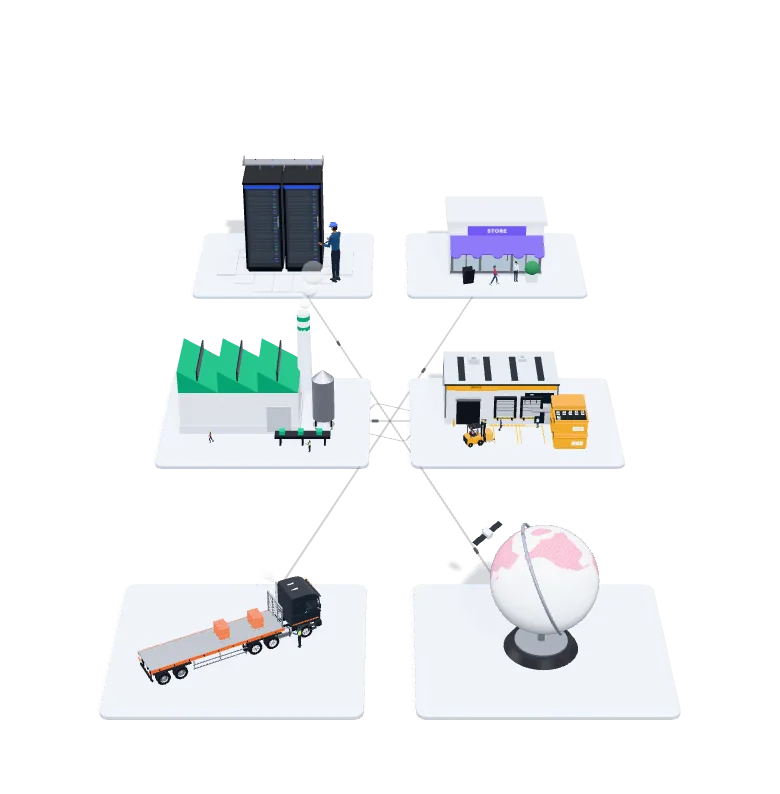
Systems
Decignal builds custom AI applications around your processes and the systems your teams already use. From the first application to the next, we help you decide what to build and put it to work.
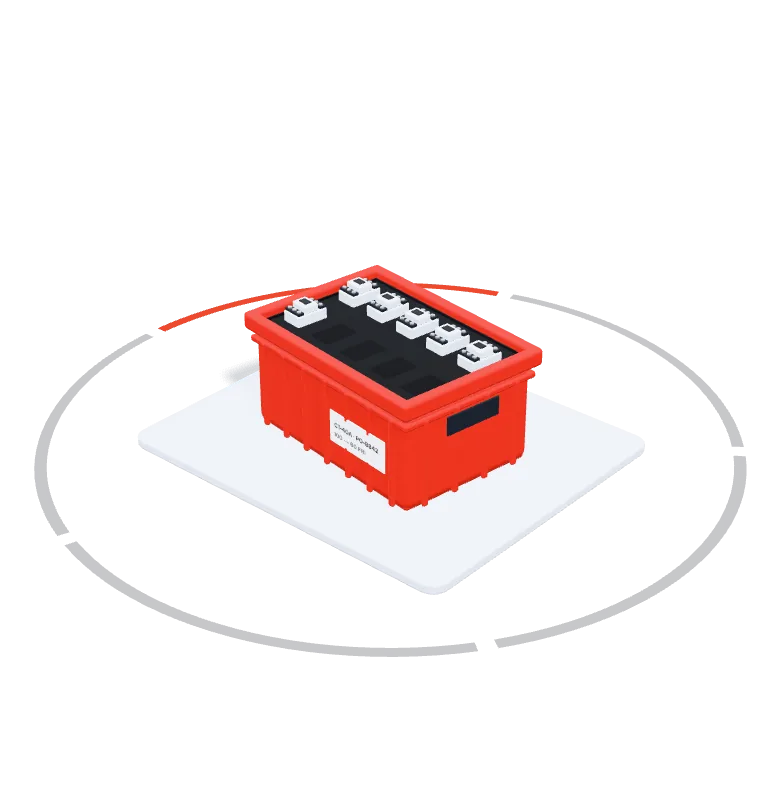
SignalIllustrative example
A supplier changes the promise.
100 contactors were due Friday. The supplier now offers 60 on Friday, 40 on Wednesday.
3 daysLater for 40 of the 100
- On the PO line
- 100 due Friday
- Revised
- 60 Friday · 40 Wednesday
- Message
- Tuesday 09:41
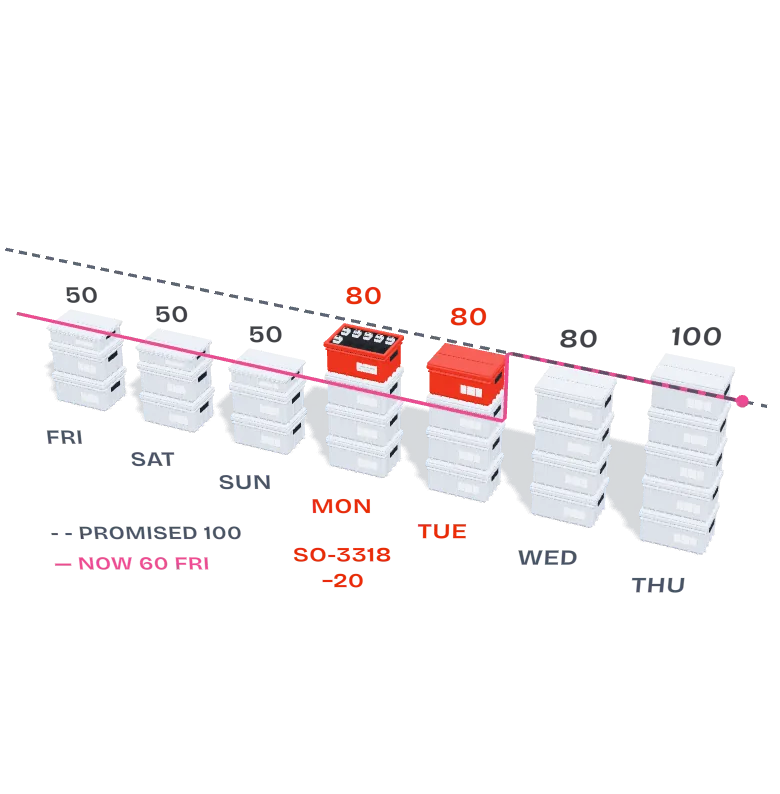
ProblemIllustrative example
One order falls short.
Three customer orders are linked to this line. SO-3318 is due Monday, before the 40 arrive.
20 piecesOf SO-3318 wait for Wednesday
- SO-3310
- 50 · Friday · covered
- SO-3318
- 30 · Monday · 10 covered
- SO-3324
- 20 · Thursday · covered
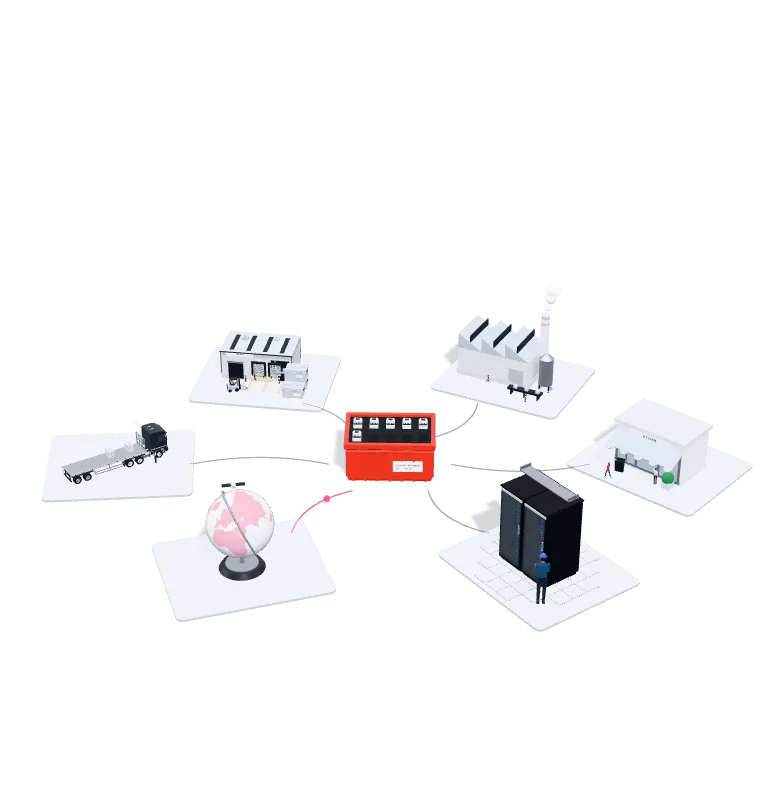
ContextIllustrative example
Every record. One picture.
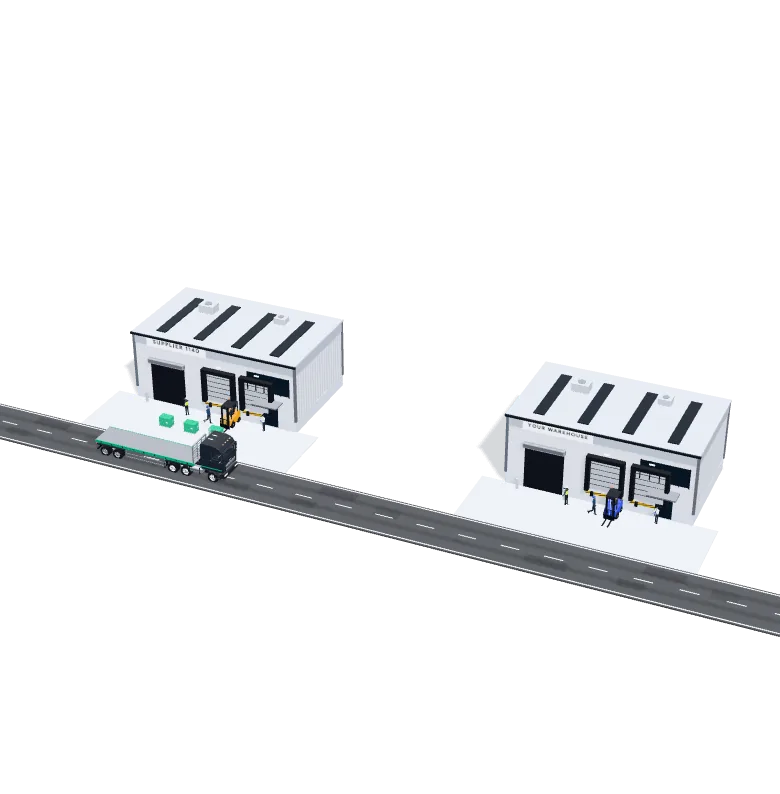
Message, order line, allocations and tracker, read together. Select one to see it.
Follow-upIllustrative example
One clear follow-up.
Confirm 60 on Friday and 40 on Wednesday. Sales reviews SO-3318, with the original message.
- Read
- Linked
- Checked
- Drafted
- With buyer
SO-3318The one order for sales to review
- Original message
- Tuesday 09:41
- Buyer
- Confirms the schedule
- Sales
- Reviews SO-3318
ControlIllustrative example
You see why. You decide.
Confirm the revised schedule, ask for more on Friday or decline it. The buyer decides.
Interactive example60 on Friday
40 on Wednesday
Functions
Applications across your business
Sales, procurement, operations, finance and service: three application examples in each.
3 application examples
Prepare enquiries, customer orders and supplier price updates for the people responsible for sales.
Explore sales and order management3 application examples
Compare quotations, track supplier commitments and reconcile job-work records.
Explore procurement and supply chain3 application examples
Prepare operational briefs, capture production records and follow up on delivery evidence.
Explore operations and delivery3 application examples
Investigate deductions, review freight bills and match payment advice to invoices.
Explore finance and receivables3 application examples
Prepare service cases, act on report recommendations and find approved technical information.
Explore service and support
IndustriesIllustrative example
Built around your industry.
Examples for manufacturing, distribution, logistics and B2B services.
For engineering, electrical, packaging, plastics and other manufacturing teams handling enquiries, supplier commitments and production records.
Application examples
View examplesFor businesses managing large item catalogues, customer orders, changing supplier prices and payment follow-up.
Application examples
View examplesFor shippers and service providers coordinating delivery records, transporter bills and operational follow-up.
Application examples
View examplesFor equipment dealers, installation teams and service businesses handling requests, reports and technical knowledge.
Application examples
View examplesLet’s find the right application for your business

Start
Tell us where work slows down. We will help you assess the opportunity and decide what to build first.
Start a conversation
- 5Business functions
- 15Application examples
- FreeFirst 30-minute conversation
- ERP
- CRM
- Service
- Sheets
- Documents
- Messages
A free 30-minute conversation to understand the opportunity.
What we build
Applications across your business
Start with the work your team repeats every day. These examples show what an application can do; each implementation is scoped to your process, data and approval rules.
Sales and order management
Customer order intake
Turn customer purchase orders and order messages into draft sales orders, with uncertain items and changed terms brought to the order desk.
Procurement and supply chain
Purchase quotation comparison
Put supplier quotations on a comparable basis, showing differences in quantity, specification, freight, payment terms and delivery.
Procurement and supply chain
Supplier commitment tracking
Turn supplier updates into a current view of promised quantities and dates, with the orders that need follow-up.
Operations and delivery
Daily operational brief
Bring orders, supply updates and dispatch records into a daily brief showing what changed, what needs attention and who owns the next step.
Finance and receivables
Customer deduction investigation
Bring debit notes, invoices and delivery evidence together so finance can investigate a short payment and prepare a response.
Service and support
Service report to follow-up
Turn recommendations in service reports into assigned follow-ups and draft quotation inputs.
Illustrative example40-line order: 27 matched, 13 for the order desk
- Customer order intakeTurn customer purchase orders and order messages into draft sales orders, with uncertain items and changed terms brought to the order desk.
- RFQ preparationBring enquiry lines, specifications and supplier offers into a quote worksheet, with the questions your sales team needs to resolve.
- Supplier price list updatesCompare new supplier price files with your item catalogue and prepare the changes your pricing team needs to approve.

Illustrative example100 contactors promised: 60 on Friday, 40 on Wednesday
- Purchase quotation comparisonPut supplier quotations on a comparable basis, showing differences in quantity, specification, freight, payment terms and delivery.
- Supplier commitment trackingTurn supplier updates into a current view of promised quantities and dates, with the orders that need follow-up.
- Job work reconciliationBring job-work movements and supplier records together to explain outstanding quantities and prepare the right follow-up.
Illustrative exampleThis week’s orders: a delay, an allocation and a hold, each with an owner
- Daily operational briefBring orders, supply updates and dispatch records into a daily brief showing what changed, what needs attention and who owns the next step.
- Production record captureTurn shift sheets and production notes into structured records, with incomplete entries routed back to the team that knows the work.
- Delivery and POD follow-upMatch delivery acknowledgements to shipments and organise the follow-up for missing or disputed delivery records.

Illustrative example₹75,000 deducted for a reported shortage
- Customer deduction investigationBring debit notes, invoices and delivery evidence together so finance can investigate a short payment and prepare a response.
- Freight bill reviewCompare transporter bills with agreed rates and trip records, and organise the charges that need explanation.
- Payment advice matchingRead customer remittance details and propose how a payment relates to open invoices, keeping unexplained differences visible.

Illustrative exampleA seal recommended at the next shutdown, now with an owner
- Service request intakeTurn customer messages into service cases with the right equipment, location and history attached.
- Service report to follow-upTurn recommendations in service reports into assigned follow-ups and draft quotation inputs.
- Service knowledge assistantHelp service teams find the right manual section and approved past resolution for the equipment they are working on.
Customer order intake
A 40-line order. 13 lines for the order desk.
- Customer order
- Item catalogue
- Price list
27 of 40lines matched with approved references
A customer order arrives with 40 lines, aliases and unclear pack units.
The problem
The work does not stop at the system boundary
A customer changes an order by email. A supplier sends a new delivery date. A technician recommends a part in a service report. The record is there, but someone still has to interpret it, find the related information and move the work forward.
We build applications for that work: reading the inputs, applying your rules and helping the next person act.
How we build
Your records and business rules shape the application
We connect the information the application needs, agree how your team interprets it, and build the workflow around those decisions.
Bring the relevant records together
Use the orders, documents, messages and system records needed for the task, with a clear source and update frequency.
Records
Define how your business works
Capture item aliases, units, customer terms, approval limits and exceptions with the people who use them.
Rules

Put the result into the workflow
Deliver a useful screen, draft, answer or task. Add system updates where the integration and approval rules support them.
Application
Keep it useful after launch
Measure the work completed, review errors and agree responsibility for changes as documents and processes evolve.
Ownership
Five business functions
- Sales and order management
- Procurement and supply chain
- Operations and delivery
- Finance and receivables
- Service and support
Three application examples in each, scoped to your process.
Who we work with
Built around the work in your industry
Our application examples focus on manufacturing, distribution, logistics and B2B services. The starting point is the work that needs improving, wherever it sits in the business.
Sales · Procurement · Operations
Manufacturing
For engineering, electrical, packaging, plastics and other manufacturing teams handling enquiries, supplier commitments and production records.
Example applicationsView examples Sales · Finance
Distribution and wholesale
For businesses managing large item catalogues, customer orders, changing supplier prices and payment follow-up.
Example applicationsView examples Operations · Finance
Logistics and transport
For shippers and service providers coordinating delivery records, transporter bills and operational follow-up.
Example applicationsView examples Service
Equipment and B2B services
For equipment dealers, installation teams and service businesses handling requests, reports and technical knowledge.
Example applicationsView examples
Working in another industry? Tell us about the process you want to improve. Tell us about it
Illustrative examples
See the work an application can take on
Three different tasks, with the inputs and next step visible.
Illustrative example
A customer order becomes a draft in the order queue
- Input
- A purchase order contains 40 lines, including customer item aliases and uncertain pack units.
- Application
- Match against the approved item catalogue and conversion rules. Keep uncertain matches out of the ready list.
- Output
- 27 lines matched using approved references; 8 need item confirmation; 5 need quantity or unit clarification.
- Next step
- The order desk resolves the 13 open lines and approves the draft before it reaches the order system.
- 27 Matched
- 8 Confirm item
- 5 Clarify unit
13 Draft for the order desk
Illustrative review
A customer order with 13 lines left to confirm
Illustrative example PO-7731
The order desk receives a 40-line purchase order. The draft has to match the approved item catalogue, the pack units and the customer’s terms before it reaches the order system.
- Customer orderPurchase order PO-7731: 40 lines, some with old item codes
- Item aliasesLine 7 uses an old item code for 20 boxes of switches
- Catalogue27 lines matched using approved item mappings
- Pack units5 lines with an unclear box or piece unit
- Open lines13 lines kept out of the ready list; none is guessed
- QuestionsConfirm 8 items and clarify 5 units with the customer
- Order deskA draft order waiting for the order desk to approve
Draft orderPO-7731
Not yet approved- 27Lines matched
- 8Items to confirm
- 5Units to clarify
| Order line | Matched to | Status |
|---|---|---|
| Line 3Switch 16A | Catalogue item SW-16A | Matched |
| Line 7Old item code | Two possible catalogue items | Confirm item |
| Line 1220 boxes | Pack unit not stated | Clarify unit |
Confirm the 8 items and 5 units before the draft goes to the order system.
The application prepares the draft and keeps uncertain lines visible. The order desk checks them and approves the order.
Illustrative records. This example shows what an application could prepare, not a completed customer project.
Your systems
Build around the systems you already use
Your ERP, accounting software, CRM and service tools hold important records. Email, spreadsheets and documents often hold the rest. We agree how the application will use those sources and where its output belongs.

ERP
Open orders and invoices

CRM
Customer and item masters

Service
Stock and asset records

Sheets
Trackers and price files
Documents
Orders, quotations and reports

Messages
Approved email and messages
Business systems
ERP, accounting, CRM, inventory and service records.
Documents and files
Purchase orders, quotations, reports, spreadsheets and shared folders.
Business communications
Approved email or messaging channels used in the selected workflow.
Tell us the software and versions you use. We confirm access, supported formats and integration scope during discovery.
List your systemsAlso reads
The records your teams already handle.
Orders, challans, delivery records, debit notes and service reports. Each application reads only the records its task needs, with access agreed during discovery.
Sales and supply1 of 12
Customer ordersPurchase orders and order messages
Orders in the format each customer sends: item codes, quantities, units and terms, read against your approved item and customer masters.
How we work
Find the right starting point and build from there
The first conversation can consider several opportunities; the first build is selected by fit.
Agreed before work begins
- Project scope
- Delivery time
- Support
First.
Understand the work.
Walk through the processes that take time or create rework. Review the systems and people involved, including what your current tools already support.
- Who is involved
- The people who do the work and those who own the process.
- What we look at
- Processes, systems and what your current tools already support.
- Deliverable
- A shortlist of useful applications.
- Understand the work
- Choose the first application
- Build and test with your team
- Run and improve
Second.
Choose the first application.
Compare expected value, data readiness and implementation effort. Agree the scope, responsibilities, cost and success measures.
- Who is involved
- Your decision makers and the team that will own the application.
- What we look at
- Expected value, data readiness and implementation effort.
- Deliverable
- A practical implementation plan.
- Understand the work
- Choose the first application
- Build and test with your team
- Run and improve
Third.
Build and test with your team.
Develop the application around real examples. Test routine cases and exceptions, then refine it with the people who will use it.
- Who is involved
- The people who will use it every day.
- What we look at
- Real examples, routine cases and the exceptions.
- Deliverable
- A tested application and a rollout plan.
- Understand the work
- Choose the first application
- Build and test with your team
- Run and improve
Then.
Run and improve.
Train the users, review results and agree ongoing support. Reuse established connections and rules where they help the next application.
- Who is involved
- Your users and the owner of the application.
- What we look at
- Results, support needs and the next application to build.
- Deliverable
- A clear owner and a plan for improvement.
- Understand the work
- Choose the first application
- Build and test with your team
- Run and improve
What we measure
Agree a baseline before anything is built
We agree a baseline for the application you choose: time from receipt to an accepted order, time to a comparable quotation sheet, or time to an assigned service follow-up.
Corrections and missed exceptions count as well as speed. Results are measured against your own baseline.
Time
End-to-end time for the complete task, including corrections and finding the records.
Accuracy
Missed exceptions, wrong matches and questions raised that were not needed.
Rework
Corrections your team makes and information that has to be requested again.
About Decignal
Building practical AI for Indian businesses
Decignal builds custom AI applications for the work that keeps a business running. We work with the people who own the process, use the records already available, and turn a clearly defined problem into an application the team can use.
Our ambition is to help businesses put AI to work across departments, with each application grounded in how the company operates.

Krupal Chaudhary
Founder
Founded Demaze Technologies, an AI and software company in Ahmedabad. Its team and track record:
- 35+people on the team
- 45+AI and software projects
- 6years in business
Questions
Questions before we start
Still have a question?Ask it on the call
We design and build applications around your business. The examples show common starting points; the workflow, integrations and rollout are scoped for each implementation.
No. The examples cover manufacturing, distribution, logistics and B2B services, including sales, procurement, operations, finance and support. We can also discuss processes in other industries.
That is part of discovery. We review the products, versions, modules and access available, then agree how to connect or use approved exports. We also check whether your current tools already provide a good solution.
We agree which steps can run automatically and which need approval. Routine steps can be automated after testing; uncertain cases and important business decisions follow the rules set with your team.
We assess the specific business channel, language and document samples. Access must be authorised, and support is confirmed through testing for that workflow.
Before connecting systems, we agree the access needed, approved providers, hosting arrangements, retention and responsibilities with your team. Those requirements form part of the project scope.
The introductory conversation is free. Assessment, implementation and support are scoped separately, based on the application, data access and testing required.
They are illustrative examples of applications we can scope with a business. Any published customer result will be identified separately.
Start a conversation
What would you like your team to spend less time on?
Tell us about the processes you want to improve and the systems involved. We will arrange a free 30-minute conversation to understand the opportunity and discuss a practical next step.
- Cost
- Free introductory call
- Length
- 30 minutes
- Format
- Video call
- Booking
- Arranged by email
What to expect
We will discuss the work, the systems involved and what a useful application would produce. Assessment, implementation and support are scoped separately.
What happens next
- Tell us about the work
- We email you to arrange a time
- Talk it through for 30 minutes
- Agree a practical next step